CLEANING DORM ROOM ESSENTIALS
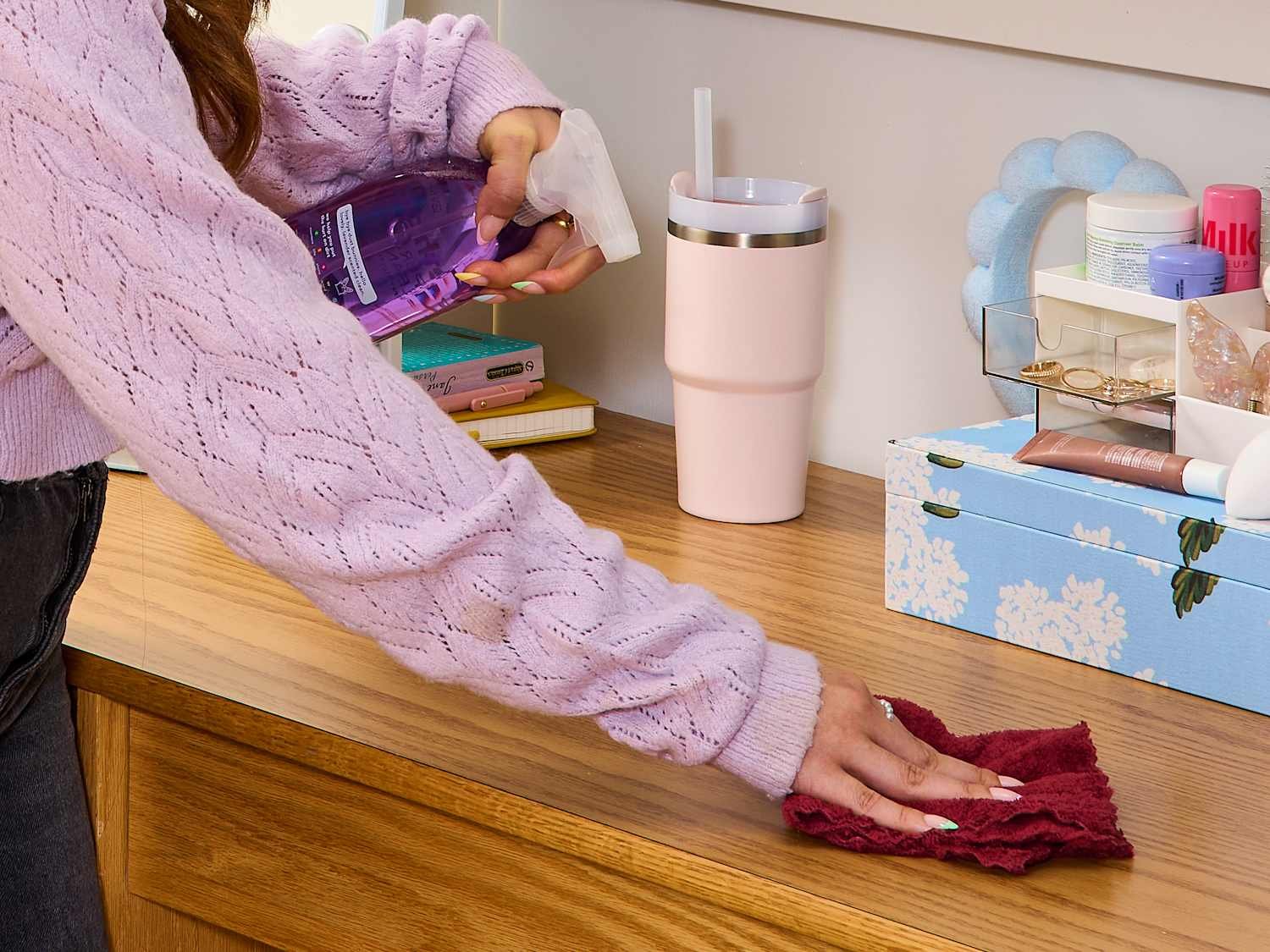
Before You Arrive Plan Pack Smart
Coordinate with your roommate. Decide who brings what (microfridge, rug, shower curtain for in-suite bathrooms, etc.). Duplicates eat precious space.
Check your school’s rules. Every housing office has a “what’s allowed” list. Common bans: candles/incense, appliances with exposed heating elements, some LED strip lights, certain adhesives, and unapproved extension cords. Some dorms don’t allow adhesive hooks or 3M strips; many prefer (or require) poster putty.
Adopt “less is more.” Dorm rooms are compact and you’ll probably move again in 9 months. Bring a functional capsule of clothes, not your whole closet. You can ship or order extras later.
Pack to move fast.
- Heavy-duty blue IKEA-style bags (or similar moving totes) beat suitcases; they’re light, stackable, and easy to store flat.
- Label everything with your name and room.
- Bring a tarp to stage items on the sidewalk or grass during drop-off. (Morning dew and mud are real.)
- Basic toolkit (screwdriver, mallet for bed risers, tape measure) helps on day one.
- Snacks and water for you and your crew. Move-in is sweaty work.
Pro tip: If your school offers a microfridge rental, strongly consider it. It’s delivered, wired to meet dorm standards, and hauled away in spring—zero logistics.
Sleep Like You Mean It Bedding Bed Setup
The dorm mattress is utilitarian at best. Turn it into a haven:
- Mattress encasement (zippered, waterproof). Wipe down the vinyl mattress first, then encase it. This adds a hygiene barrier and peace of mind.
- Mattress topper (2–3 inches). This is the comfort layer. Memory foam or latex foam are common; pick the firmness you like. If your bed is lofted or very close to the ceiling, a 2″ topper helps maintain headroom.
- Mattress pad (deep pocket). Protects the topper from spills and sweat.
- Sheets (Twin XL). Two fitted sets and extra pillowcases. Real talk: many students rotate one set. Two sets make laundry day less chaotic.
- Pillows & breathable blanket/comforter. Layer for the climate; older buildings can run warm or cool.
Bed height = storage. If the frame allows, set it to the highest safe setting and add bed risers (installed with a mallet). You’ll unlock enough clearance for drawers or bins under the bed—prime real estate in a tiny room.
Move In Day Clean Start with a Fresh Slate
Even if facilities “cleaned,” dust and grime settle between turn-over and your arrival. A 60–90 minute deep clean before you unpack pays off all year. Minimal supplies needed:
- All-purpose cleaner (safe on multiple surfaces)
- Disinfecting spray or wipes (for high-touch points)
- Glass cleaner (or a 1:1 vinegar-water mix)
- Paper towels + microfiber cloths (microfiber for mirrors/fixtures; paper towels for grim jobs)
- Duster or dry rag, vacuum/handheld, broom & dustpan
- Rubber gloves, trash bags
The order matters (top → down, clean → dirty):
- Window tracks. Open windows; dry dust first, then spray cleaner into the track crevices. Agitate grime with a small brush or sponge. Blot up dirty liquid with paper towels.
- Baseboards & vents. Dust baseboards, then gently dust supply/return vents. If reachable, vacuum with a brush attachment. Cleaner vents = fewer sniffles.
- Closet interiors, drawers & shelves. Wipe down before any clothes touch them.
- High-touch surfaces. Disinfect door handles (inside/out), light switches, drawer pulls, desk edges, remotes, and your phone. (Take your phone out of its case; use a toothpick to clear lint from ports—carefully—and wipe case + phone surfaces.)
- Mirrors & glass. Use glass cleaner and microfiber for streak-free shine.
- Sink/shower (in-suite rooms).
- Sink & faucet: Soak with all-purpose cleaner, wipe thoroughly, then disinfect handles.
- Shower: If you have one, scrub walls/doors, and de-scale the showerhead (bag of vinegar secured with a rubber band; let it sit, then run water).
- Toilet: If present, disinfect the seat, handle, and surrounding surfaces.
- Surfaces & furniture tops. Dust, then wipe.
- Trash can. Spray inside/out, wipe, and line with a fresh bag. (Odor-locking bags are great if you snack in-room.)
- Floors & soft seating. Vacuum last (crumbs fall while you clean). If the dorm provides a vacuum, many students still prefer a small stick/handheld model that actually picks up grit.
Important: Wear gloves, wash hands when done, and only after cleaning should you start organizing and making the bed.
Storage Organization That Actually Fits
Dorms reward vertical thinking and modular pieces:
- Under-bed: Sterilite-style 3-drawer units, low-profile totes, or lidded bins for off-season clothes, bulk snacks, and supplies.
- Bedside tower: A slim dresser with fabric drawers doubles as a nightstand (lamp, charger, tissues, alarm).
- Rolling 3-tier cart: Bathroom caddy, snack bar, or study station on wheels. It slides into corners and under lofted beds.
- Closet:
- Space-saving “wonder” hangers (cascade vertically) to multiply capacity.
- A hanging shoe organizer for footwear and small items (hats, gloves, charging bricks).
- Open baskets/bins: Group laundry products, cleaning gear, and first-aid so you can grab-and-go.
- Label lightly. Enough to find things, not so much that your room looks like a stockroom.
Power Air Comfort Safely
- UL-listed surge protector with an integrated circuit breaker is usually required. Many dorms ban traditional extension cords; check the handbook.
- Fans:
- Desk/oscillating fan for white noise and airflow.
- Box fan if AC is limited and windows allow (never obstruct egress or screens).
- Air purifier (optional but clutch in older buildings): helps with dust/allergens in shared spaces. Choose one sized for small rooms and place it away from obstructions.
- Lighting: A desk lamp with adjustable brightness helps with late-night studying without blasting your roommate.
Laundry Bath Health Kit
Laundry basics
- Laundry bag/basket you’ll actually carry (drawstring canvas, backpack style, or wheeled—your call).
- Detergent, stain remover, dryer sheets or wool balls.
- Drying rack if you prefer hang-drying workout gear.
- Lint brush for interviews and presentations.
Bathroom basics
- Shower caddy (mesh dries fastest) and shower shoes (non-negotiable for communal baths).
- Towels: 2 bath, 2 hand, 2–4 face cloths. Rotate and wash weekly.
- If in-suite: Shower curtain + hooks, bathmat, and a small trash can (coordinate with roommate).
Health first-aid
- Basic first-aid kit (bandages, antibiotic ointment, tweezers, nail clippers, cotton swabs).
- Med kit with familiar, previously used OTCs (for colds, pain/fever, allergies, tummy troubles).
- “Sick kit”: instant soup, tea, tissues, cough drops—ready when you’re not feeling up to a store run.
- Medication list & allergies card to keep in your bag.
Food Mini Kitchen Microfridge
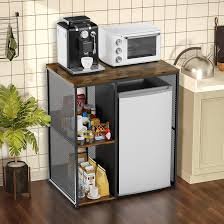
A microfridge (mini microwave + mini fridge combo) is a dorm MVP—especially when rented through the campus provider. It’s installed, compliant, and removed for you.
Kitchenette basics
- Refillable water bottle and small filter pitcher (slim models fit mini-fridges).
- One bowl, one plate, one mug, one cup, and cutlery (dish soap + sponge too).
- Food storage containers (stackable).
- Paper towels and multi-surface cleaner for spills.
- Non-perishable snacks (nuts, oatmeal cups, protein bars). Keep sealed to deter pests.
Safety: Avoid appliances with exposed heating elements (often prohibited). When in doubt, ask housing.
Decor Without Damage
Your goal: make it yours without fines.
- Adhesion rules vary. Many halls prohibit nails, pushpins, some LED strip lights, and even some adhesive hooks. Poster putty is widely accepted; double-check your hall.
- Add softness: A small area rug (coordinate so roommates don’t bring two), throw pillow, and a cozy blanket warm up cinderblock walls.
- Meaningful art: Photos from home, one statement poster, a small cork board or calendar.
- Light smart: Clip-on fan with light, desk lamp, or string lights if allowed.
A Zero Drama Cleaning Routine
If you maintain little things regularly, you avoid weekend-ruining deep cleans.
Daily 5 8 minutes
- Make the bed (fastest way to tidy the room visually).
- Clear desk surfaces; toss obvious trash and recycling.
- Wipe high-touch points (door handle, light switch, remote) if someone’s sick.
- Hang up towels so they dry (fewer smells, fewer germs).
Weekly 20 30 minutes
- Sheets & pillowcases: Wash weekly or at worst biweekly. (Dirty pillowcases = surprise acne.)
- Towels: Wash weekly.
- Dust → then vacuum. Start with shelves and desk; finish with floors and futon.
- Disinfect bathroom/sink area (if in-suite), including faucet handles and mirror.
- Empty and wipe trash can; replace liner.
- Phone & remote: Wipe with electronics-safe cleaner; take your phone case off and clean inside.
Monthly or each new term
- Fridge reset: Toss expired food, wipe shelves.
- Air vents & baseboards: Quick dust to reduce allergies.
- Closet edit: Rotate off-season clothes to bins; donate what you don’t wear.
- Window tracks: Degunk before it turns into concrete.
Move In Day Playbook Hour by Hour
Hour 0 Arrival
- Park, lay down the tarp, and unload fast.
- Stage bags in the hall; bring cleaning supplies in first.
Hour 1 Clean
- Windows → baseboards/vents → drawers/closet → high-touch points → mirrors → sink/shower/toilet (if applicable) → surfaces → trash can → floors.
Hour 2 Build the bed & storage
- Set bed to highest safe setting; add risers if allowed.
- Bed layers: encasement → topper → pad → fitted sheet → pillowcases (hold off on duvet until after organizing).
- Slide under-bed drawers/bins into place.
- Assemble bedside tower and rolling cart.
Hour 3 Zones electronics
- Desk zone: laptop, lamp, surge protector, notebooks, and one pen cup.
- Closet zone: hang everyday items; use vertical hangers to multiply capacity.
- Bath/Laundry: pack the caddy; place laundry bag where you’ll actually use it.
- Microfridge: plug into an approved outlet, level it, and give the interior a quick wipe.
Final 20 minutes
- Soft stuff: duvet/comforter, rug, throw pillow.
- Scent: plug-in or spray only if allowed (candles are usually banned).
- Quick tour with your roommate: agree on quiet hours, cleaning rhythm, and shared items.
Quick FAQs Troubleshooting
“My dorm is dusty and I’m sneezing.”
Dust vents and baseboards, run a small air purifier, and keep the floor clear. Wash pillowcases weekly—your face spends 7–8 hours there nightly.
“No AC. How do I sleep?”
Use a desk fan pointed across you (not at you), a box fan angled to exhaust warm air out the window (if permitted), and the lightest bedding you own. Blackout curtains can modestly reduce afternoon heat gain.
“My room smells… lived-in.”
Disinfect the trash can, empty it often, and use odor-locking liners. Wash towels weekly and don’t leave damp gym clothes in a pile. If allowed, a gel odor absorber helps.
“Do I really need two sheet sets?”
One is doable if you wash and return it the same day. Two is realistic insurance during exams and flu season.
“Best place to keep medicine?”
A clear hanging organizer in the closet or a labeled bin under the bed. Only stock meds you’ve used before; add a simple “sick kit” so you’re not shopping while feverish.
“Are toolkits worth it?”
A tiny one is. You’ll use the mallet for bed risers, screwdriver for batteries/adjustments, and tape measure for layout.
“Can I bring a toaster or hot plate?”
Usually no—anything with an exposed heating element is often banned. Check housing rules first.
Packing Essentials Checklists
Bedding & Sleep
Twin XL encasement • 2–3″ topper • Mattress pad • 2 sheet sets (or 1 + resolve) • Pillows • Comforter/blanket • Bed risers (if allowed)
Bath Laundry
Shower caddy • Shower shoes • 2 bath + 2 hand + 2–4 face towels • Laundry bag/basket • Detergent • Stain remover • Dryer sheets/wool balls • Drying rack
Cleaning Basics
All-purpose cleaner • Disinfecting spray/wipes • Glass cleaner • Paper towels & microfiber cloths • Duster • Small vacuum or broom/dustpan • Trash bags • Gloves
Organization
Under-bed drawers/bins • Bedside tower • Rolling 3-tier cart • Space-saving hangers • Hanging shoe organizer • Open baskets/bins • Labels
Desk School
Notebooks • Folders • Pens/highlighters • Index cards/sticky notes • Planner • Stapler • Scissors • Paper clips • USB drive
Power Comfort
UL-listed surge protector • Desk lamp • Desk fan/box fan • (Optional) air purifier
Food Microfridge
Plate/bowl/mug/cup + cutlery • Food containers • Dish soap & sponge • Small filter pitcher • Snacks
Health First-Aid
Bandages • Antibiotic ointment • Familiar OTC meds • Thermometer • Tissues • “Sick kit” supplies • Allergy/med list card
Nice-to-Have (If Space Allows)
Tool kit • Steamer • Small rug • Decorative bins • Extra pillowcase set • Clip-on fan • Command-style hooks (only if allowed)
Table of Contents
[Conclusion: Less Stuff, More Calm]
Before You Arrive: Plan & Pack Smart
Sleep Like You Mean It: Bedding & Bed Setup
Move-In Day Clean: Start with a Fresh Slate
Storage & Organization That Actually Fits
Food, Mini-Kitchen & Microfridge
Move-In Day Playbook (Hour-by-Hour)
Conclusion
A dorm works best when it does three things well: sleep, study, and stay sanitary. You don’t need an avalanche of gear to make that happen. Focus on a comfortable bed, compact storage that fits under or beside it, and a simple cleaning routine you’ll actually follow. Start strong with a move-in deep clean (window tracks, vents, baseboards, high-touch spots), keep weekly maintenance short and consistent, and stock just enough tools to solve everyday problems.Pack light, label smart, and coordinate with your roommate. Choose a few pieces that make the room feel like yours—a photo string, one great poster, a soft lamp—and skip anything the handbook bans. With the right setup and rhythm, your dorm won’t just be a place to crash; it’ll be a calm, healthy base where you can think clearly, sleep deeply, and enjoy the year.
Table of Contents
Related Post

AMAZING 21st Birthday Ideas For HerAMAZING 21st Birthday Ideas For Her
Why the 21st Birthday Is Special Turning 21 is one of those big birthdays that often marks the line between youth and more mature adulthood. In many places, it means
kitchen first apartment checklistkitchen first apartment checklist
How to Use This Guide Think of this as your decision filter. Each section splits items into: You’ll also see quick tips to save, based on what actually works: shopping
The CUTEST Dorm Room Decor Ideas You Are Going to LOVEThe CUTEST Dorm Room Decor Ideas You Are Going to LOVE
Before You Buy Plan Like a Pro Measure twice, scroll once. Start with the basics: Pro tip: sketch two to three layout options and keep them on your phone for