EXACTLY How To Decorate a Rental Apartment
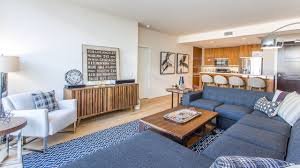
Why Bother Decorating a Rental
Renting often means limits: no knocking down walls, no new floors, sometimes not even a nail. But limits can be creative superpowers. Living in a space that reflects you boosts mood, productivity, and the simple joy of coming home. You don’t need a full renovation to feel settled. You just need a clear plan, a few strategic upgrades, and a mindset shift from “I’ll decorate when I own” to “I deserve to love my home now.”
Ground Rules What You Can Do and Should Avoid
Do
- Focus on reversible changes. Think textiles, lighting, hardware, peel-and-stick options, plug-in fixtures, and freestanding furniture.
- Add personality through layers. Rugs, curtains, art, plants, and mirrors are all removable (and reusable at your next place).
- Ask first. A friendly message to your landlord about neutral paint, curtain rods, or swapping dated hardware often gets a “yes”—especially if you promise to return things to baseline.
Avoid
- Permanent alterations. Major drilling, fixed wall treatments that can’t be removed, or changes to flooring that risk residue or damage.
- Surprises. If in doubt, get permission in writing. Landlords hate costly surprises; you hate losing deposits.
- Ignoring house rules. If your lease forbids holes, use damage-free solutions (command strips, leaning mirrors, tension rods).
Your 3 Phase Plan Plan Personalize Polish
Plan Measure Prioritize and Map
- Measure the rooms and note outlets, windows, and door swings.
- List your daily habits. Do you read in bed? Cook most nights? Work from home? Your layout should serve those routines.
- Prioritize big functional wins. Bed + mattress, seating, task lighting, storage. These deliver comfort immediately and move with you later.
Personalize Layer Character Not Construction
- Start with the walls. If paint is allowed, consider a soft neutral or one accent wall. If not, try removable wallpaper, large leaning art, or a floor-to-ceiling mirror to bounce light.
- Textiles = instant warmth. Rugs, curtains, bedding, throws, and cushions set mood and color without risk.
- Green it up. Plants add life, texture, and a biophilic calm that rented shells often lack.
Polish Small Tweaks Big Payoff
- Swap hardware. Cabinet pulls, knobs, switch plates, and doorknobs can change a room’s style in minutes. Keep originals labeled for move-out.
- Upgrade lighting. Replace dated shades, add plug-in sconces, and mix floor and table lamps to layer light.
- Tidy + style. A bar cart, styled shelves, and cord management make a space feel finished—not temporary.
Room by Room Game Plan
Entryway
Goal: A quick landing pad that looks intentional.
- Hooks without holes: Use removable hooks for keys, hats, and bags.
- Slim console or wall shelf: Catch-all for mail and sunglasses.
- Mirror: A tall leaning mirror doubles the light and visually expands tight halls.
- Micro-storage: A closed shoe cabinet or baskets corral clutter.
- No closet? A simple freestanding wardrobe can live here; style the top with a plant and tray so it reads designed, not dumped.
Living Room
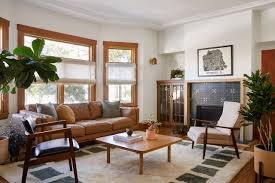
Goal: A flexible, comfortable lounge with a focal point.
- Seating strategy: If a sofa isn’t practical, modular ottomans are MVPs—pull together for movie night, split for guests, stash extras inside.
- Rug road map: An 8×10 (or larger) rug anchors the zone, hides tired flooring, reduces echo, and feels cozy.
- Curtains up: Replace standard blinds with curtains hung high and wide to add drama and soften light.
- Statement lighting: A sculptural floor lamp or plug-in pendant instantly modernizes a dated room. Hide cords with cord covers or fabric wrap.
- Art without tears: Use command strips, lean framed art on consoles, or make a no-drill gallery with washi tape or magnetic systems.
Bedroom
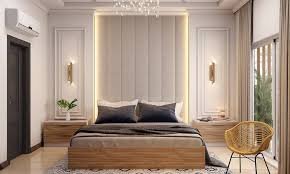
Goal: Sleep sanctuary first, style second.
- Invest in the mattress. If budget’s tight, pair a decent base with a quality mattress topper for comfort.
- Headboard that moves: Wall-mounted is tricky; a freestanding or bed-frame-attached headboard travels with you.
- Soft layers: Duvet, pillows, and a throw in your palette make even white walls feel intentional.
- Blackout options: Blackout curtains or shades help sleep; tension-mount rods avoid drilling.
- Nightstand alternatives: A compact chest of drawers doubles storage; add a plant and lamp to finish the vignette.
Kitchen
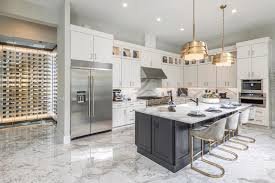
Goal: Cleaner lines, more function, and visual uplift.
- Hardware swap: Update knobs and pulls (keep originals).
- Open-shelf hack: If allowed, remove a couple of cabinet doors for “instant” open shelving; line the back with removable wallpaper.
- Backsplash upgrade: Try removable tile stickers or wallpaper protected with clear acrylic sheets—bold, reversible, and wipeable.
- Countertop cover: Contact paper is ultra-budget; a fitted plywood cover (properly sealed) looks custom yet lifts off when you leave.
- Floor caution: Peel-and-stick floor tiles look great at first but can collect grime and leave adhesive; consider large area rugs, runners, or click-lock planks (fully floating) if you’ll stay long-term and can reverse cleanly.
Bathroom
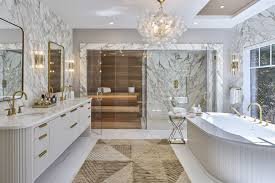
Goal: Fresh, organized, spa-lite.
- Swap easy wins: New toilet seat, shower curtain, bath mat, and towels—instant upgrade.
- Hardware + faucet: If you’re handy (and allowed), a faucet swap modernizes the room; otherwise, replace cabinet knobs and add a stylish mirror (lean if drilling is a no).
- Storage that fits: A corner shelf intended for showers can become vertical storage in tiny baths. Rolling carts tuck into dead space.
- Plants that thrive: Choose low-light, humidity-loving varieties (e.g., pothos, ferns, peace lilies) or a vase of eucalyptus for scent.
Home Office Study Nook
Goal: Ergonomic, uncluttered productivity.
- Simple desk + chair: Keep lines light and footprint small. Measure first; ensure you can close doors and drawers.
- Task lighting: A focused lamp reduces eye strain and makes the nook feel intentional.
- Shelf styling: Use your shelf as a “plant haven” or inspiration wall. Rotate in travel mementos and books for personality.
- Cable control: Adhesive clips, cord sleeves, and a power strip with a switch keep visual noise down.
High Impact Low Risk Upgrades
- Plants, plants, plants. From tiny succulents to a statement ficus, greenery brings life and texture.
- Removable wallpaper. Accent a wall, back a bookcase, or line cabinets for a wow moment.
- Curtains hung high and wide. Taller windows by illusion; softer light, better privacy.
- Rugs that ground. Hide wear, define zones, and muffle sound.
- Hardware refresh. Knobs, pulls, and switch plates are fast style shifters.
- Plug-in sconces. Custom-looking light without hardwiring; hide cords with paintable covers.
- Layered lighting. Mix floor, table, and task lamps to banish harsh overheads.
- Leaning mirrors. Brighten and expand space—no holes required (secure with anti-tip straps).
- Art without nails. Command strips, grid panels, or even curated “unframed” prints with putty.
- Textile storyline. Cohesive palette across cushions, throws, bedding, and towels.
- Open-shelf moment. Remove a door or style an existing shelf; display everyday pieces.
- Temporary backsplash. Peel-and-stick tiles or wallpaper + acrylic sheet for wipeability.
- Countertop cover. Contact paper for budget; plywood cap for elevated look (both removable).
- Toilet seat swap. Five minutes, huge return in “freshness.”
- Entry organizer. Hooks or a slim console to tame daily debris.
Style on a Budget Smart Spending Sustainable Swaps
Spend here long term value
- Sleep + sit: Mattress, supportive desk chair, and a decent sofa if it’ll fit future spaces.
- Lighting: Good lamps and shades transform mood and come with you when you move.
- Rugs: Get the right size; they work in almost any future layout.
Save here but don’t skimp on looks
- Curtains & rods: Affordable panels look luxe when hemmed and hung correctly.
- Hardware: Mid-price options in timeless finishes (brass, black, nickel) are chic and durable.
- Modular storage: Ottomans, rolling carts, stacked boxes—flexible and inexpensive.
Sustainability tips
- Buy once, use often. Choose classic shapes over trend-of-the-minute.
- Secondhand wins. Thrift stores and flea markets = solid wood steals.
- DIY upgrades. Refinish, re-paint, or re-cover rather than replace.
- Plant power. Biophilic touches improve air quality and well-being with minimal waste.
Common Mistakes and Easy Fixes
Mistake 1 Waiting to decorate “until I own.”
Fix: Start with reversible layers—rugs, lamps, art—then add paint or wallpaper if allowed.
Mistake 2 Scale that’s off.
Fix: Measure first. In small rooms, choose a sofa with exposed legs, glass or light-wood tables, and larger rugs to visually expand space.
Mistake 3 Lighting from one source.
Fix: Use at least three light types—ambient (floor lamp), task (desk/reading lamp), and accent (plug-in sconce).
Mistake 4 Overdecorating without function.
Fix: Prioritize utility: storage ottomans, closed cabinets in the entry, trays on surfaces, hooks behind doors.
Mistake 5 Ignoring landlord communication.
Fix: Send a polite, specific note about any change. Offer to return the unit to original condition and keep receipts and the original hardware labeled.
Mistake 6 Risky floor fixes.
Fix: If peel-and-stick tiles are tempting, research adhesives and maintenance, or opt for area rugs and runners. For long stays, consider fully floating click-lock planks you can remove cleanly.
Move Out Strategy How to Leave It as You Found It
Document the “before.” Take date-stamped photos on day one.
Label and store originals. Keep cabinet pulls, faucets, and light fixtures in zip bags labeled by room.
Patch like a pro. Spackle small nail holes, sand lightly, touch up with matched paint (save the exact color and sheen).
Reverse reversible things. Remove wallpaper slowly, warm adhesive if needed, clean residue with a safe remover.
Deep clean. Pay special attention to kitchens and baths; steam-clean carpets if necessary.
Final walkthrough checklist. Lights, blinds, smoke alarms, and appliances all returned to the state noted in your move-in photos.
Table of Contents
Conclusion: Make It Yours—Responsibly
Why Bother Decorating a Rental?
Ground Rules: What You Can Do (and Should Avoid)
Your 3-Phase Plan: Plan → Personalize → Polish
15 High-Impact, Low-Risk Upgrades
Style on a Budget: Smart Spending & Sustainable Swaps
Common Mistakes (and Easy Fixes)
Move-Out Strategy: How to Leave It as You Found It
Conclusion
A rental doesn’t have to feel temporary, even if it is. With a little planning, a few landlord-friendly upgrades, and a focus on reversible layers, you can craft a home that supports your routines and reflects your personality—without jeopardizing your deposit. Invest in comfort where it counts (bed, seating, lighting), personalize with textiles, plants, and art, and polish with hardware swaps and thoughtful styling. Communicate clearly with your landlord, document changes, and keep originals safely stored so move-out is painless.
Table of Contents
Related Post
kitchen first apartment checklistkitchen first apartment checklist
How to Use This Guide Think of this as your decision filter. Each section splits items into: You’ll also see quick tips to save, based on what actually works: shopping

AMAZING 21st Birthday Ideas For HerAMAZING 21st Birthday Ideas For Her
Why the 21st Birthday Is Special Turning 21 is one of those big birthdays that often marks the line between youth and more mature adulthood. In many places, it means
15 DIY Small Craft Room Ideas15 DIY Small Craft Room Ideas
Why a Good Layout Matters 15 DIY Small Craft Room Ideas Here are 15 ideas, with tips on how to do them cheaply or by yourself: Use Wall Pegboards Mount