KITCHEN DORM ROOM ESSENTIALS
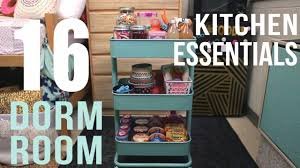
How to Use This Guide
Dorm shopping gets overwhelming fast. To stay sane:
- Start with true essentials, then layer in comfort and style. If the room still feels bare after Week 2, add décor and extras.
- Check residence rules before you buy (especially appliances, adhesives, and air fresheners). Rules vary by building.
- Plan for climate. If you’re in a hot dorm without A/C, airflow is everything. In colder regions, bedding warmth matters more.
- Buy for a year, not a lifetime. Dorm gear gets beat up; avoid splurging on items that won’t work in your post-dorm life.
Sleep Comfort Your Top 10 Must Haves
If you only nail one category, make it sleep. Good rest = better classes, better mood, better everything.
- 4″ (or thicker) Twin XL mattress topper
The number one upgrade. Dorm mattresses are thin and firm; a quality topper transforms your bed from “meh” to “mine.” Aim for 4″ thickness and Twin XL size. - Mattress protector
Non-negotiable for hygiene and spills. Put it on before the sheets. - Twin XL sheet set
Get at least one fitted + flat + pillowcase set that actually fits Twin XL. One set is fine if you’ll wash weekly; two is more convenient. - Blackout curtains + no-drill tension/adhesive rod
If your windows allow it, blackout panels are a lifesaver for light sleepers and afternoon nappers—without drilling holes. - Clip-on bed fan
Especially useful in non-A/C dorms and top bunks. Doubles as white noise in a pinch. - Sound machine (or noise app + small speaker)
Hides hallway chatter, neighbor alarms, and late-night returns. - Bedside shelf or caddy
For your phone, glasses, lip balm, and late-night water. Essential on lofted or bunk beds. - 10-foot phone charging cable
Outlets rarely land where you need them. The extra length changes your life. - Eye mask + soft earplugs
Cheap, tiny, and clutch when your roommate’s schedule doesn’t match yours. - Queen-size throw blanket
Bigger than a twin throw, so you can fully burrito yourself during study breaks.
Bedding Essentials Twin XL Beyond
- Topper vs. “Topper + Pad”: A foam topper boosts comfort. A thin mattress pad on top adds washability and keeps the topper in place.
- Duvet vs. Comforter: Duvets are lighter and easier to wash (just the cover). Comforters are simpler but bulkier in small washers.
- Pillows: Two is plenty in a small space. Add one simple decorative pillow if you must—more becomes a daily floor pile.
- Headboard: Not essential. A fabric stick-on or cushioned pillow headboard can give the look without the bulk.
- Bed skirt: Optional for hiding under-bed storage. Some dorms sell “college bed skirts” made to fit raised frames.
- Ottoman/step stool: A small storage ottoman doubles as a step for lofted beds and a seat for putting on shoes.
Bath Personal Care Commute to Shower Survival
Hall bathrooms can be awkward until you dial in a routine. This kit makes it painless:
- Mesh shower caddy (not plastic)
Mesh drains fast; plastic collects water and puddles on your floor. - Towel wrap with Velcro
Game-changer for walks to/from the shower and getting ready without wardrobe malfunctions. - Shower shoes
Slides or rubber flip-flops. Your feet will thank you. - Towel set (x2 of body + hand + face)
Two sets mean you’re never stuck towel-less on laundry day. Add a hair wrap if you have long hair. - Robe
Cozy for late-night showers and chilly mornings. - Waterproof speaker (optional)
Great for shared get-ready playlists—but keep volumes courteous. - Vanity mirror with lights
Dorm lighting is harsh or dim. A small lighted mirror doubles as a desk lamp.
Suite bathrooms? Add: trash can, bath mat, shower curtain + liner, and hand soap.
Power Tech Connectivity
- Surge-protected power strip + extension cord
Look for multiple outlets + USB-A/USB-C. (Confirm strips are allowed—some dorms require specific ratings.) - Long charging cables (phone + laptop)
Keep one set in your backpack and one by your bed. - Power bank
A compact 5,000 mAh bank covers emergency phone charges; a 10,000 mAh+ bank handles a full day off-grid or multiple devices. Magnetic options are handy if your phone supports them. - Laptop
Pick reliability over novelty. If you annotate PDFs or handwrite notes, a tablet + pen is a nice add-on, not a must. - Headphones/earbuds
For libraries, gyms, and shared rooms. Noise-cancelling helps in loud dorms. - Desk lamp
Choose one with adjustable brightness and a small footprint. - Bed/desk fan
Air movement helps you focus and sleep—especially in warm rooms.
Storage Organization Small Space Big Moves
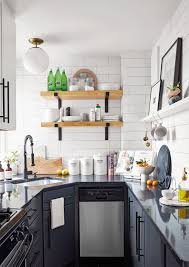
The trick is vertical space + hidden storage:
- Under-bed bins
Low, lidded bins for off-season clothes, bulk snacks, paper towels, and extra bedding. - Cascading or tiered hangers
Multiply closet capacity without adding rods. Non-slip velvet hangers keep clothes off the floor. - Shoe storage
Over-door organizers if you have a closet door; hanging shelf units if you don’t. - Closet curtain
If your closet is open, a curtain instantly makes the room look tidier. - Storage cubes / cube shelf
Acts as a nightstand, TV stand, or entry console while hiding snacks, school supplies, and linens. - Bedside caddy/shelf
Re-emphasizing because it solves 80% of “where do I put my stuff?” while in bed. - Mini-fridge organizer
A caddy that sits on top of your fridge corrals coffee pods, utensils, paper towels, and snacks—free vertical storage. - Command hooks & strips
The dorm MVPs for jackets, bags, towels, and décor—without wall damage. Grab a variety pack. - Over-door mirror
A full-length mirror without committing wall space.
Kitchen Food Three Common Scenarios
Dorm food life depends on your building. Pick the setup that matches yours.
No Kitchen microwave mini fridge allowed
- Mini-fridge (confirm if provided or rentable)
Lets you keep fruit, yogurt, veggies, and leftovers—healthier and cheaper than nonstop takeout. - Microwave cooking tools
- Microwave omelet/egg maker
- Noodle/pasta/soup bowl with vented lid
- Large microwave-safe mugs and plate-bowls (shallow bowls that double as plates)
- Microwave cover (keeps splatters off shared microwaves—be that considerate person)
- Electric kettle (if allowed)
Boils water fast for noodles, oatmeal, tea, and pour-over coffee. - Cold brew or single-serve coffee maker
Compact brewers save money and late-night study runs. - Food containers for class days
- Leakproof containers (Snap-style lids = backpack-safe)
- Collapsible silicone containers to save space
- Stainless bento if you won’t microwave and want durability
- Thermos for soup/chili
- On-the-go kit
Reusable utensil set, lunch bag, ice packs, reusable silicone snack bags, big water bottle.
Suite Kitchen shared with roommates
- Non-stick pan + saucepan + small pot (you can do a lot with three)
- Knife + cutting board (one chef’s knife and one paring knife is enough to start)
- Measuring cup/spoons (for baking nights or accurate pantry cooking)
- Collapsible colander
- Glass bakeware with lids (cook once, eat all week)
- Stackable airtight containers (label for each roommate; assign fridge zones)
- Compost bin (if your residence supports composting)
- Single-serve blender (smoothies from dining-hall fruit = budget win)
No Stove But You Want to Cook rules permitting
- Egg cooker (fast protein without a stove)
- Single electric burner (only if explicitly allowed)
- Slow cooker (set-and-forget chili, shredded chicken, curries)
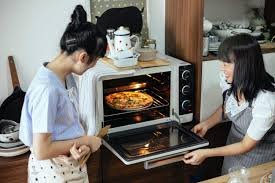
- Compact toaster oven (if permitted; reheats leftovers way better than a microwave)
When rules are strict, you can still meal prep creatively with a microwave, kettle, and cold brew setup. It’s about ingredients and containers more than gear.
Cleaning Fresh Air
- Small trash can with lid
Controls smells in a tiny space. Use scented bags if allowed. - Mini vacuum or handheld
Dorm vacuums are often ancient, heavy, and scarce. A small unit keeps crumbs and hair under control. - All-purpose spray + wipes
Wipe desks, door handles, and remotes. A microfiber cloth reduces paper waste. - Dish sponge + small soap
Even without a kitchen, you’ll hand-wash mugs and containers in a bathroom sink. - Air freshener
Candles and incense are usually banned. Consider plug-ins or sprays only if allowed; some residences have fragrance policies. - Compact dustpan/brush
Crumbs happen—especially during finals.
Clothing Going Out Basics
You don’t need a new wardrobe for college. Focus on pieces that mix and match:
- Outerwear: a warm puffer/parka if your climate is cold; a lighter jacket for going out.
- Bottoms: at least one pair of go-to black jeans/pants for nights out, plus everyday denim.
- Tops: a few neutrals you love (black tops/bodysuits layer with everything).
- Shoes: everyday white sneakers + black booties (dress up or down).
- Slippers: great for grimy floors and winter mornings.
- Bag: a crossbody for nights out (harder to lose than a shoulder bag).
- Backpack: sturdy, with good organization and a laptop sleeve.
Laundry And why pods can be risky
- Basket with wheels or a backpack-style hamper
Laundry rooms are rarely on your floor. Wheels or straps matter more than you think. - Detergent: liquid or sheets over pods
In some dorm washers, pods don’t fully dissolve and can stick to clothes. Liquid or dissolvable sheets are safer bets. - Dryer sheets or wool balls
Static is real in shared dryers. - Stain stick
Keep one in your backpack for cafeteria mishaps.
Safety Health Security
- Small first-aid kit
Bandages, antiseptic wipes, pain reliever, cold meds, and a thermometer. - Lock or small safe
For passports, extra cash, and important documents—especially in shared rooms. - Document copies
Keep digital backups of IDs and prescriptions. - Basic toolkit
Multi-bit screwdriver, scissors, tape, and a few command strips you didn’t end up using.
What Not to Bring Rules Regrets
- Candles and incense
Almost always prohibited fire hazards. Consider plug-ins or diffusers only if permitted. - High-heat appliances
Hot plates, toaster ovens, and deep fryers are often banned—especially in Canadian residences and many U.S. dorms. Always verify. - Weapons (including pocket knives) and underage alcohol
Strictly prohibited; alcohol policies vary by region and building. - Too many pillows and blankets
They look cute for a day and live on the floor the rest of the year. - Plastic shower caddy
Holds water; makes puddles. Go mesh. - Excess dishware
In most dorms, two plates, two bowls, and a couple of mugs are enough.
MoveIn Day Game Plan
- Start early (a few weeks out)
Gather essentials first. Leave décor and “maybe” items for after you’ve lived in the space. - Use clear bins
Sturdy, stackable, and you can see what’s inside. Label in big letters: Bedding, Bathroom, Desk, Snacks, Tech. - Prioritize the first-night kit
One small bag with bedding, towel, PJs, chargers, toiletries, meds, and a change of clothes. - Protect fragile items
Wrap with towels and hoodies instead of buying bubble wrap. - Hydrate and break
Move-in is a stair-climbing workout. Keep a water bottle and snacks handy. - Lay out zones before you unpack
Decide where bed, desk, fridge, storage go, raise the bed if needed, then unpack. - Assemble with a mini toolkit
Small screwdriver, tape measure, scissors, duct tape, spare command strips.
Budget Timeline Canada US
- Timeline: Back-to-school ramps up late August to early September. Start shopping in early August to avoid bare shelves and shipping delays. Some residences allow early move-ins—confirm your dates.
- Budget: A realistic range for basics is about $500–$1,000 (CAD or USD depending on where you’re shopping). This typically covers bedding, storage, a few appliances, cleaning supplies, and everyday study gear. Stretch your budget by:
- Timing purchases with student or seasonal sales
- Checking campus buy/sell groups
- Renting a mini-fridge if offered
- Splitting suite items (bakeware, compost bin) with roommates
Quick Master Packing List
Absolute Essentials
- 4″ Twin XL mattress topper + protector
- Twin XL sheets (1–2 sets) + duvet/cover + 2 pillows + queen-size throw
- Blackout curtains + no-drill rod (if allowed)
- Clip-on fan + sound machine
- Bedside shelf/caddy + 10’ phone cable
- Mesh shower caddy, towel wrap, shower shoes, towel set (x2)
- Surge-protected power strip + extension cord
- Laptop + headphones/earbuds + power bank
- Desk lamp
- Under-bed bins, non-slip/cascading hangers, command hooks, over-door mirror
- Trash can with lid, mini vacuum, wipes + all-purpose spray
- Laundry basket with wheels/backpack style, liquid detergent, dryer sheets
- First-aid kit + small lockbox/safe
- Reusable water bottle
Kitchen mix match to your rules
- Mini-fridge (if not provided), microwave tools (egg/omelet maker, noodle bowl, cover)
- Electric kettle, cold brew or single-serve coffee maker
- Leakproof containers (snap-lids), collapsible containers, thermos
- Reusable utensils, lunch bag, ice packs, silicone snack bags
- Suite kitchens: pan, pot, saucepan, knives, cutting board, bakeware with lids, measuring set, collapsible colander, blender, stackable airtight containers
Nice to Haves
- Closet curtain, storage cubes, ottoman/step
- Waterproof speaker, vanity mirror with lights
- Decor (string lights, posters/tapestries—hung with command strips)
- Extra set of sheets if you won’t wash weekly
Skip Double Check
- Candles, incense, high-heat appliances (often banned)
- Laundry pods (some dorm washers don’t dissolve them well)
- Plastic shower caddies, heaps of throw pillows, full dinnerware sets
Table of Contents
Sleep & Comfort: Your Top 10 Must-Haves
Bedding Essentials (Twin XL & Beyond)
Bath & Personal Care: Commute-to-Shower Survival
Storage & Organization (Small Space, Big Moves)
Kitchen & Food: Three Common Scenarios
Laundry (And why pods can be risky)
What Not to Bring (Rules + Regrets)
Budget & Timeline (Canada & U.S.)
Conclusion
Dorm success isn’t about buying everything—it’s about buying the right things. Prioritize sleep (topper, blackout, airflow), plug gaps with smart power and storage (long cords, command hooks, under-bed bins), and keep a minimalist kitchen kit that matches your dorm’s rules. Build a small cleaning routine and a laundry plan you’ll actually follow. From there, add comfort and personality slowly—one poster, one plant, one cozy throw—so your room grows with your habits instead of fighting them.
Table of Contents
Related Post

Dorm Room Wall DecorDorm Room Wall Decor
Start With a Vision Theme Color Story Before you buy a single poster, choose a vibe and a color palette: Dorm Rules But Make It Cute Damage Free Hanging Methods

DISNEY PRINCESS HALLOWEEN COSTUMESDISNEY PRINCESS HALLOWEEN COSTUMES
Introduction Halloween is a time when people get to dress up and become someone else, even just for one night. Disney Princess costumes are a favorite choice for many kids